Baseballer Gear
High School Baseball's Biggest Change in Years: Understanding the New BBCOR Bat Rule
The new BBCOR bat rule is changing high school baseball in 2028. This guide explains the updated NFHS bat regulations, BBCOR standards, drop weights, and how the addition of -4, -5, and -6 bats will impact players, coaches, and families preparing for the next era of high school baseball.
7/10/20264 min read
A New Era for High School Baseball Bats
For more than a decade, high school baseball players have had one legal bat option: a BBCOR-certified -3 bat. Whether you were a physically mature senior or a freshman making the jump from youth baseball, the rule was the same.
That is about to change.
Beginning with the 2028 high school baseball season, the National Federation of State High School Associations (NFHS) will allow additional legal bat options under a new USA Baseball certification system. High school players will be permitted to use -3, -4, -5, and -6 certified bats, giving athletes more flexibility than ever before.
While the announcement has generated plenty of discussion, it's important to understand what this rule actually changes and what it doesn't.
What Is BBCOR?
Before diving into the new rule, it's important to understand what BBCOR actually means.
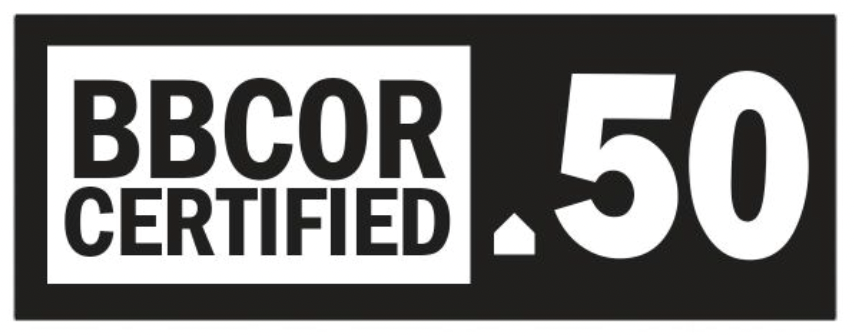
BBCOR stands for Batted Ball Coefficient of Restitution. It's a performance standard used to regulate non-wood baseball bats at the high school and college levels. Rather than measuring how far a ball travels, BBCOR measures how much energy is transferred from the bat to the baseball during impact.
The goal of the BBCOR standard is to make aluminum and composite bats perform more like traditional wood bats. Prior to BBCOR's adoption in 2012, many non-wood bats produced significantly higher exit velocities, leading to concerns about both competitive balance and player safety, especially for pitchers who had less time to react to hard-hit balls.
Today, nearly every high school and NCAA baseball game is played with BBCOR-certified bats.
Find the best BBCOR bats here.
Understanding Bat Drop Weight
Another important term you'll hear is "drop weight." A bat's drop weight is simply the difference between its length (in inches) and its weight (in ounces).
For example:
A 33-inch, 30-ounce bat has a -3 drop.
A 32-inch, 27-ounce bat has a -5 drop.
A 31-inch, 25-ounce bat has a -6 drop.
The larger the negative number, the lighter the bat is for its length.
(Learn more about bat sizes here).
Generally speaking:
Lighter bats (-5, -6) are easier to swing and can help younger or smaller players generate more bat speed.
Heavier bats (-3) require more strength but offer greater mass through the hitting zone, which can benefit stronger, more physically developed hitters.
There is no universally "best" drop weight. The right choice depends on a player's age, strength, swing mechanics, and overall development.
Why This Matters
For years, high school baseball required virtually every player to swing a -3 BBCOR bat, regardless of age or physical maturity. That meant many freshmen were making a significant jump from the lighter bats they used in youth baseball.
The new rule is designed to provide more flexibility by allowing additional certified drop-weight options while maintaining wood-like bat performance standards. Instead of changing how powerful the bats are intended to be, the rule changes which bat weights are available to high school players.
Why Is This Rule Changing?
The biggest reason is player development.
For years, many athletes have gone from swinging lighter youth bats, often a -8 or -5 to being required to swing a -3 BBCOR bat as soon as they reached high school. For younger players or those who haven't fully developed physically, that transition can be challenging.
USA Baseball and the NFHS believe allowing additional drop-weight options creates a more gradual progression, helping players continue developing strength, bat speed, and confidence instead of struggling with an abrupt equipment change.
The hope is that more players will enjoy the game, continue improving, and remain involved in baseball throughout high school.
What Does the New Rule Allow?
Starting in 2028, high school players may use:
USA BBCOR -3
USABat -4
USABat -5
USABat -6
This expands the list of legal bats, but it does not require every player to switch.
If you're already comfortable swinging a -3 BBCOR bat, nothing changes. Existing -3 BBCOR bats will continue to be legal for high school competition.
Are These "Hotter" Bats?
No. One of the biggest misconceptions is that lighter bats automatically mean more powerful bats.
The new bats are still designed to meet a wood-like performance standard. The purpose of the rule is not to increase offensive performance through a more trampoline-like barrel. Instead, the focus is on providing athletes with bat weights that better match their stage of physical development.
Simply put, the rule changes weight options, not the intended performance standard.
What About Exit Velocity?
This is where much of the debate begins. Some coaches and parents worry that lighter bats could produce higher exit velocities because hitters can swing them faster. Others point out that lighter bats also have less mass, which can offset some of the gains in swing speed.
The reality is that there isn't a simple answer. Exit velocity depends on several factors, including:
Bat speed
Bat mass
Quality of contact
Player strength
Swing mechanics
For some athletes, a lighter bat may actually improve performance. For others, especially stronger players, a -3 may still produce the best results.
As coaches begin testing players with different drop weights, we'll likely learn much more about which bat profiles work best for different age groups and body types.
Should Players Plan to Switch?
Not necessarily. For current high school players, this rule won't affect your eligibility before 2028. For younger athletes, especially middle school players who will enter high school after the rule takes effect, it does provide more flexibility when choosing a bat.
Rather than forcing every freshman into a -3 immediately, coaches and families will have the opportunity to select a bat that best matches the player's size, strength, and development.
Final Thoughts
This isn't a rule designed to make offense explode or fundamentally change the game. Instead, it's a player-development decision.
By expanding legal bat options while maintaining wood-like performance standards, the NFHS and USA Baseball are trying to make the transition from youth baseball to high school more manageable for developing athletes.
Whether the change leads to better offensive numbers, increased player retention, or simply a smoother progression remains to be seen. What is certain is that this represents one of the most significant equipment changes in high school baseball in more than a decade.
As coaches, parents, and players begin preparing for the 2028 season, understanding the purpose behind the rule, not just the headlines will be the key to making informed equipment decisions.
Baseballer Gear
Honest baseball equipment reviews from a former college player. Helping parents and players make informed decisions about baseball gear.
Quick links
Contact
© 2026. All rights reserved.
Affiliate Disclosure: Baseballer Gear participates in affiliate programs. When you purchase through links on our site, we may earn a commission at no extra cost to you. This helps support our testing and content creation.