Baseballer Gear
How to Choose the Right Baseball Bat Size
Learn how to choose the right baseball bat size with this complete guide for youth and high school players. From understanding bat length, weight, and bat drop to avoiding common sizing mistakes, this article explains how proper bat sizing improves swing speed, barrel control, confidence, and more.
5/18/20264 min read
How to Choose the Right Baseball Bat Size
Choosing the right baseball bat size is one of the most important parts of buying baseball gear. The right bat can improve swing speed, confidence, mechanics, and overall hitting performance, while the wrong bat can make hitting much harder than it needs to be.
After playing baseball through middle school, high school, and college, I learned pretty quickly that bat sizing changes as players develop physically and get stronger over time.
Personally, I used:
31"–32" bats in middle school
32"–33" bats in high school
33"–34" bats in college
As I got older and stronger, I gradually moved into longer and heavier baseball bats that matched my swing and strength level better. One mistake I see younger players make all the time is trying to swing bats that are too big or too heavy too early.
In my experience, comfort, barrel control, and bat speed matter much more than simply swinging the biggest bat possible.
This guide breaks down how to choose the right baseball bat size, explains bat drop, and covers what players should actually focus on when buying baseball bats.
Search Baseball Bats
Explore some of the best baseball bats here or read more about what bats are best for you here.
Why Baseball Bat Size Matters
A properly sized baseball bat can make a huge difference in a player’s development.
The right baseball bat helps players:
Generate better bat speed
Make more consistent contact
Build confidence at the plate
Develop proper timing
On the other hand, a bat that’s too heavy can slow swings down and hurt mechanics, especially for younger players.
I’ve seen plenty of players struggle simply because they were trying to swing oversized bats before they were physically ready.
Throughout my career, I always tried to use baseball bats that felt balanced and controllable rather than chasing the heaviest setup possible.
Understanding Baseball Bat Measurements
Baseball bats are measured by:
Length (inches)
Weight (ounces)
Most baseball bats range from 24" to 34" depending on age level and league requirements.
When shopping for baseball gear, you’ll also see terms like:
BBCOR bats
USSSA bats
Drop 10
Drop 8
Drop 5
Drop 3
Understanding these terms is important before buying a bat.
What Does Bat Drop Mean?
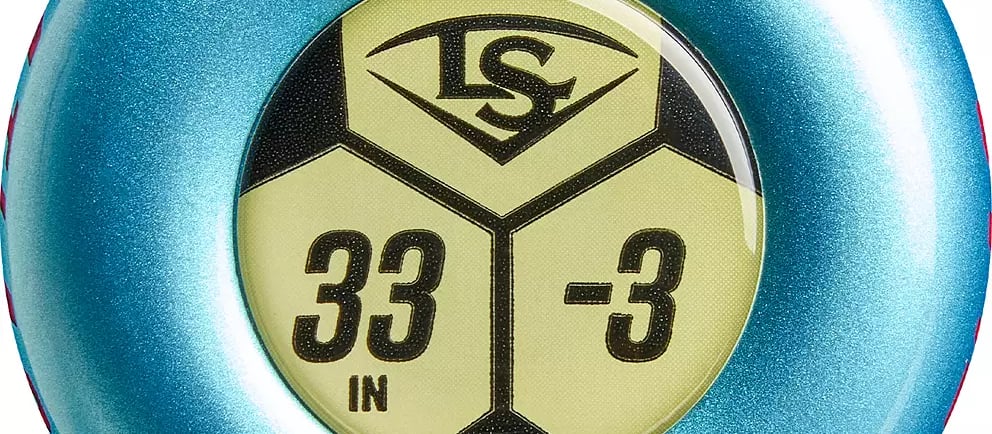
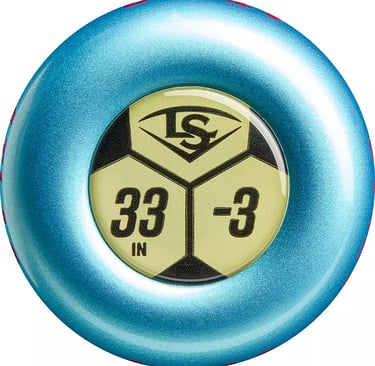
Bat drop refers to the difference between the bat’s length and weight.
For example:
A 30-inch bat weighing 20 ounces is a drop 10 bat.
The formula looks like this:
Bat Length – Bat Weight = Drop Weight
Here are the most common bat drops:
Drop 13: Younger youth players
Drop 10: Most youth baseball players
Drop 8: Intermediate players
Drop 5: Junior high and travel baseball
Drop 3: BBCOR high school and college baseball
As players get older, bats become heavier and closer to a BBCOR drop 3 setup.
My Experience with Bat Sizes Over Time
One thing I learned throughout my playing career is that bat sizing evolves naturally as players develop.
In middle school, I mostly swung:
31"–32" bats
By high school, I transitioned into:
32"–33" BBCOR bats
Then in college, I typically used:
33"–34" bats
As my strength improved, I became more comfortable handling slightly longer and heavier baseball bats. But even at the college level, I still valued bat control and balance over simply using the heaviest bat possible.
That’s why I personally preferred balanced baseball bats throughout my career.
A balanced bat allowed me to stay quick through the zone and consistently control the barrel.
How to Measure the Right Baseball Bat Size
Use Height and Weight as a Starting Point
One of the easiest ways to estimate baseball bat size is by using height and weight.
Generally:
Taller players use longer bats
Stronger players can handle heavier bats
A simple baseball bat sizing guide looks like this:
Player Height Recommended Bat Length:
4’0”=26”
4’0”–4’5”=27”–28”
4’6”–5’0”=29”–30”
5’1”–5’6”=31”–32”
5’7”+=32”–34”
The biggest thing is how the baseball bat actually feels during swings.
Common Baseball Bat Sizing Mistakes
Buying a Bat “to Grow Into”
This is probably the most common mistake I see.
Parents and players often buy oversized baseball bats thinking the player will eventually grow into them. But using a bat that’s too heavy can actually slow development and create bad habits.
A properly fitted baseball bat is always the better choice.
Prioritizing Power Over Bat Speed
A lot of younger players think heavier baseball bats automatically mean more power.
That’s usually not true.
Consistent contact and bat speed matter much more than simply swinging the heaviest bat possible.
Throughout my career, I always felt better using balanced baseball bats that allowed me to control the barrel and stay quick through the zone.
Best Baseball Bat Setup for Beginners
For most younger players, the best baseball bat setup is:
Drop 10 baseball bat
Balanced swing weight
Aluminum construction
This setup helps players:
Develop confidence
Improve mechanics
Make more consistent contact
Starting with a manageable bat size makes development much easier long term.
Final Thoughts
Choosing the right baseball bat size is one of the most important parts of building confidence and improving as a hitter.
As someone who played baseball through middle school, high school, and college, I gradually moved from 31"–32" bats to 33"–34" bats as I got stronger and more experienced.
But no matter the level, I always believed comfort, control, and bat speed mattered more than simply swinging the heaviest bat available.
The best baseball bat is the one that allows you to swing confidently, stay balanced, and consistently square up baseballs.
If players focus on proper sizing early, they’ll build better mechanics and stronger hitting habits that carry with them throughout their baseball career.
Baseballer Gear
Honest baseball equipment reviews from a former college player. Helping parents and players make informed decisions about baseball gear.
Quick links
Contact
© 2026. All rights reserved.
Affiliate Disclosure: Baseballer Gear participates in affiliate programs. When you purchase through links on our site, we may earn a commission at no extra cost to you. This helps support our testing and content creation.