Baseballer Gear

The Best Recovery Tools Every Baseball Pitcher Should Be Using
Recovery is an essential part of a pitcher's training, helping improve performance, reduce the risk of injury, and support long-term arm health. Effective recovery includes many different tools while following a personalized routine based on individual needs.
7/1/20265 min read
Why Recovery Matters for Pitchers
As a former college baseball pitcher, I can attest that recovery is a key part of training that often gets overlooked. Many people think that just practicing hard will lead to success, but recovery is just as important. It helps you perform better, avoid injuries, and stay successful in your pitching career. When we throw a lot, our bodies go through a lot of stress, so having good recovery strategies is essential to avoid serious harm.
Studies show that including recovery in our training can really help with muscle repair and rebuilding strength, which is crucial for regular pitching. I’ve seen it myself; top pitchers often swear by techniques like resting, using ice therapy, and stretching strategically, which really helps them stay in top shape during games.
Let’s not forget about the mental side of recovery, either. A good recovery routine can help relieve the mental fatigue that comes with high-pressure games. When pitchers take the time to recover properly, it leads to better focus and decision-making when it really counts. Young pitchers especially need to understand that recovery is just as crucial as their practice sessions, not just something they can toss to the side.
Essentially, recovery should be a priority in a pitcher’s routine, given as much attention as all the other training practices. As athletes striving for greatness, focusing on recovery can mean longer and healthier careers, and ultimately, greater success on the field.
Best Recovery Tools and Their Advantages
For pitchers, effective recovery is vital to keep arms healthy and improve overall performance. There are various recovery tools that have become popular among athletes, each designed for a specific purpose in recovery.
Weighted balls play an important role in recovery workouts. By using them, pitchers can strengthen their arms and increase throwing speed. The extra weight helps engage muscles effectively during rehab exercises, allowing us to train strength and flexibility at the same time. Plyo ball rebounders are a good tool that pitchers do after throwing. However, the use for recovery is not the same as use for warm ups. It's important to do additional research to see what types of drills you should do specifically for recovery.
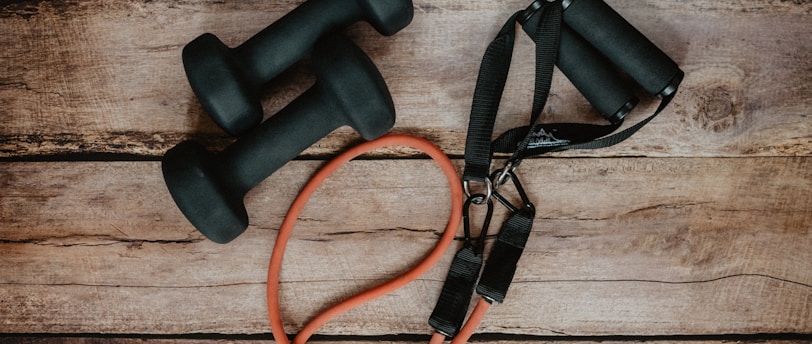
Resistance bands and J-bands are another handy tool for pitchers. They add resistance when throwing or going through rehabilitation exercises, helping with shoulder and arm stability. By using resistance bands, we can strengthen our rotator cuffs, which helps prevent injuries that could affect our performance. Various J-band exercises are crucial for recovery relief.
Voodoo floss bands are a popular recovery tool used to improve mobility and reduce joint stiffness. By tightly wrapping the band around a muscle or joint for a short period while performing light movements, pitchers can help increase blood flow and improve range of motion. They're commonly used on the elbows, forearms, shoulders, and ankles to relieve tightness and help the body feel looser before or after throwing.
Tidal tanks are another great recovery tool for pitchers. Unlike traditional weights, they use moving water to create constantly shifting resistance, forcing the body to engage stabilizing muscles throughout each movement. This helps improve shoulder stability, core strength, and overall body control while placing less stress on the arm. They're a great option for building functional strength and supporting long-term arm health.
Percussion massagers, like handheld devices, are becoming quite popular for relieving muscle tension. These devices use rapid pulses to reach deep layers of muscle, promoting relaxation and quicker recovery times. Massage balls such lacrosse balls are also a great tool to gets knots out. Their targeted relief is essential to keeping our arms healthy.
Foam rollers are fantastic for release. Using foam rollers regularly can help pitchers stay flexible and mobile, which is key for recovery. They’re great for easing muscle tightness and improving overall muscle function.
Cold therapy is also a great way to recover after we pitch. Using ice packs or cold compression sleeves after our sessions can greatly reduce inflammation and soreness in our arms. This method allows for quicker recovery, so we can stay competitive all season long.
Finally, rebounders are useful tools for pitchers who want to work on their mechanics while getting some recovery in. They allow for non-impact practice of pitch accuracy and form, making it easier to recover without overstraining the arm.
How to Build Your Own Recovery Routine
Building a personal recovery routine is crucial for pitchers looking to boost their performance and reduce injury risks. An effective plan involves a few important elements, like the timing and frequency of using recovery tools and paying attention to how your body feels.
Timing is everything. It’s best to use recovery tools right after pitching sessions or tough workouts. Tools like foam rollers and compression sleeves can be especially helpful right after workouts. Plus, setting aside specific times in a weekly schedule for recovery is important.
Listening to your body is another key element in a good recovery routine. Every pitcher reacts differently to various recovery techniques, so it’s important to check in on how you’re feeling before and after using tools. Notice any sore or tired areas, and adjust your routine as needed. If you’re feeling tight in your shoulders, for example, it might help to include some stretching or a massage.
You can design structured recovery sessions that combine different tools and techniques. For example, you might start a session with 15 minutes of foam rolling to ease muscle tension, then do some dynamic stretching and work with a percussion massage device. It’s also helpful to keep a structured recovery routine to ensure continued efficient recovery.
By creating a personalized recovery routine that suits your individual needs, you can take proactive steps toward better recovery and improved performance.
Keeping Long-Term Recovery Habits
For pitchers, building and maintaining long-term recovery habits is vital to performing well throughout the season. Staying consistent with recovery practices not only aids physical rehabilitation but also builds mental resilience, allowing us to handle the challenges of a tough season. Treating recovery as an essential part of our training leads to a more comprehensive approach to improving performance.
One challenge we face is managing time. With busy schedules filled with practices and games, finding time for recovery can be tough. To make it work, set specific recovery goals each week, like making time for stretches, ice baths, massages, or any recovery tools you prefer. This way, recovery feels like a fundamental part of training instead of an afterthought.
Fatigue is another hurdle, as the physical and mental toll from practices and games can lead us to neglect recovery. We need to pay attention to our bodies and be aware of the signs of wear and tear. Including recovery practices can help with mental clarity and rejuvenate the body, making it easier to fully recover from challenging pitching sessions.
Ultimately, we should view recovery as not just something to do after throwing, but as an essential part of our whole training philosophy. Embracing this view can significantly boost our performance throughout the baseball season.

Baseballer Gear
Honest baseball equipment reviews from a former college player. Helping parents and players make informed decisions about baseball gear.
Quick links
Contact
© 2026. All rights reserved.
Affiliate Disclosure: Baseballer Gear participates in affiliate programs. When you purchase through links on our site, we may earn a commission at no extra cost to you. This helps support our testing and content creation.