Baseballer Gear
The Best Baseball Drills for Young Players: Enhancing Skills and Game Readiness
Essential baseball drills help youth players build strong hitting, throwing, speed, and agility fundamentals while developing confidence and consistency on the field. As a former college baseball player, these drills can improve mechanics, balance, barrel control, and overall athletic performance.
5/22/20264 min read
Essential Hitting Drills for Youth Players
As a former college baseball player, I firmly believe that hitting is one of the most crucial elements in baseball, and building the right skills early on is key to long-term success. I have seen firsthand how effective drills can enhance a young player’s hitting abilities, promoting better hand-eye coordination, swing mechanics, and overall readiness for the game. One drill that stood out in my development was the plyo ball hitting drill, which greatly improved my barrel control.
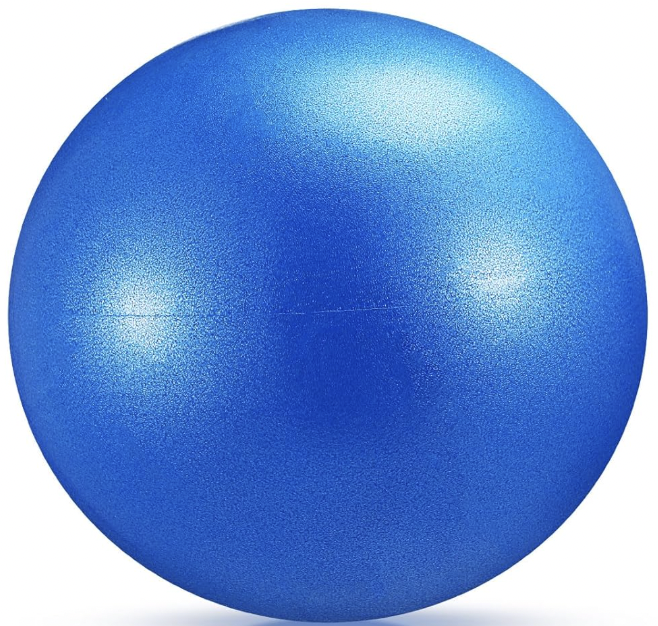
The plyo ball hitting drill is a great way for young players to improve their bat path and learn how to stay through the baseball during their swing. Because plyo balls are heavier than regular baseballs, hitters have to stay focused on making clean contact and keeping the barrel in the zone longer. This drill helps players develop better swing mechanics and create a more direct path to the ball. During practice, using plyo balls helped me stay connected through my swing and improve the consistency of my power at the plate.
The one-handed batting drill works on many of the same skills by teaching players how to control the bat path with each hand individually. By swinging with only the top hand or bottom hand, hitters learn how to stay through the ball, maintain balance, and keep the barrel working through the hitting zone. This drill also strengthens the hands and wrists while reinforcing proper swing mechanics. I found that practicing one-handed drills improved my overall barrel control and helped me drive the ball more consistently during games.
The connection ball drill is a baseball hitting exercise designed to improve swing mechanics, body control, and connection between the upper and lower body during the swing. Hitters place a connection ball between their arms and chest while taking swings, helping them maintain proper posture and keep their hands and body working together. During the swing, the connection ball should move forward with the hitter, reinforcing proper direction to the ball and preventing the body from pulling away too early. This drill promotes a more compact, efficient swing path, improves bat speed, and encourages better balance through contact. My coach often used connection balls to help my teammates and I develop consistency and eliminate “flying open” or casting the hands during the swing.
The high tee/low tee drill is particularly effective for teaching players to adjust their swings according to different pitch heights. By positioning tees at various heights, players learn to modify their swing paths and make consistent contact. This adaptability is essential because pitchers often throw different types of pitches, and learning to adjust early on prepares young athletes for the challenges they will face.
Key Throwing Drills to Boost Mechanics and Confidence
Throwing is another fundamental skill in baseball. As a college player, I noticed significant improvements in my mechanics and confidence from specific drills. One highly effective practice was the towel drill, focusing on arm mechanics and follow-through. By using a towel instead of a ball, I concentrated on my arm motion without the pressure of throwing, which improved my wrist snap and shoulder rotation significantly.
For pitchers, using a Core Velocity Belt is an excellent drill for developing proper lower-half mechanics and building strong rotational habits. The resistance created by the belt teaches players how to use their legs and hips efficiently throughout the pitching motion instead of relying only on their arm. This helps young pitchers generate more power, improve balance, and stay connected through their delivery. Working with a Core Velocity Belt also reinforces good movement patterns, helping pitchers create better hip rotation, stability, and overall mechanics that can lead to increased velocity and reduced risk of injury over time.
Furthermore, the quick transfer drill was essential for developing rapid glove-to-hand exchanges during defensive plays. Practicing quick transfers improved my on-field efficiency and built my confidence for making precise, timely throws. As I worked on these quick transitions, my overall defensive performance became sharper, proving the value of such drills.
Developing Speed and Agility for On-Field Performance
In baseball training, cultivating speed and agility is crucial for overall performance. Young athletes must master not only the technical skills but also their physical conditioning. These qualities greatly enhance a player's ability to respond quickly during games, a lesson I learned through rigorous training.
One effective drill that helped me with agility and footwork was the ladder drill. This exercise emphasizes rapid foot movements and coordination, helping players gain fast twitch movements. I discovered that practicing various patterns not only improved my balance and coordination but was also vital for fielding ground balls and making quick reads.
Additionally, the cone reaction drill was instrumental in refining my reaction time and explosive speed. Setting up cones in various formations and sprinting towards them based on cues sharpened my quick decision-making during gameplay. Developing the ability to pivot and change direction effectively was crucial for making plays.
Integrating these speed and agility drills into practice can greatly enhance athletic performance and give young players a competitive edge, preparing them for the demands of higher-level baseball.
Creating a Fun and Competitive Training Environment
Creating an enjoyable and competitive training environment is vital in fostering young players' love for baseball. Engaging drills that improve skills while boosting motivation provide a more productive training session. I found that balancing serious skill development with competitive elements kept me focused and energized during practices.
Baseballer Gear
Honest baseball equipment reviews from a former college player. Helping parents and players make informed decisions about baseball gear.
Quick links
Contact
© 2026. All rights reserved.
Affiliate Disclosure: Baseballer Gear participates in affiliate programs. When you purchase through links on our site, we may earn a commission at no extra cost to you. This helps support our testing and content creation.