Baseballer Gear

How to Break In a Baseball Glove (Fast & Properly)
Learn how to break in a baseball glove the right way with this complete step-by-step guide from a former college player. Discover the best baseball glove break-in methods, why patience is essential for creating the perfect pocket, and how proper glove care improves overall performance on the field.
5/13/20263 min read
Introduction to Glove Breaking
A brand-new baseball glove can feel incredibly stiff when you first take it out of the box. If you’ve ever tried squeezing a fresh glove shut for the first time, you know exactly what that feels like.
As someone who played baseball through high school and college, I went through the glove break-in process many times over the years. I used several different gloves throughout my playing career, and one thing I learned pretty quickly is that there’s no magic shortcut to perfectly breaking in a glove.
The most important thing is patience.
A lot of younger players want their glove game-ready immediately, and I was the same way when I was younger. I remember getting a brand-new glove in high school and trying every shortcut possible because I wanted to use it right away. But over time, I realized the gloves that ended up feeling the best were always the ones I broke in naturally by consistently playing catch and letting the glove form to my hand over time.
In my experience, regular catch sessions are still the best way to break in a baseball glove properly.
This guide covers the safest and most effective ways to break in a glove, shape the pocket, and avoid common mistakes that can ruin good leather.
Quick Buys
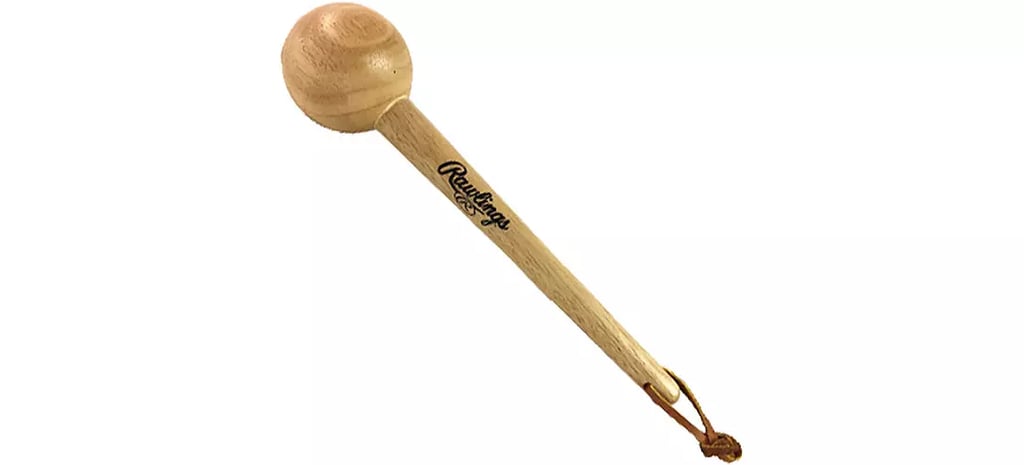
Tools to break in a glove include
Why Breaking In a Baseball Glove Matters
A baseball glove isn’t game-ready straight from the store. Manufacturers design them stiff so players can shape them over time.
Breaking in your glove properly helps you:
Improve flexibility and comfort
Create a custom pocket for catching
Reduce hand sting from hard throws
Improve control and transfer speed
Extend the life of the glove
A poorly broken-in glove can feel uncomfortable and even affect your performance. On the other hand, a well-broken-in glove becomes an extension of your hand.
The Best Way to Break In a Baseball Glove
After breaking in multiple gloves throughout high school and college, I honestly believe the best method is still the simplest: Play catch consistently.
Here’s a step-by-step approach:
Apply a small amount of glove conditioner to soften the leather
Flex the glove by hand to loosen hinge points
Start playing catch daily, focusing on the pocket area
Use a glove mallet to simulate catches when needed
Store the glove with a ball in the pocket overnight
The biggest mistake players make is rushing the process. Real game reps shape the glove better than any shortcut.
Over time, the leather naturally molds to your hand and playing style.
Common Baseball Glove Break-In Mistakes
Many players accidentally ruin their gloves trying to break them in too fast.
Avoid these mistakes:
Using too much oil or conditioner
Microwaving or baking the glove (this damages leather)
Leaving it in a hot car
Over-steaming the glove
Flattening the pocket incorrectly
Too much heat or oil weakens the leather and shortens the glove’s lifespan. A good glove should be shaped slowly, not forced.
How Long Does It Take to Break In a Baseball Glove?
The time it takes depends on the glove quality and how often you use it.
Here’s a general breakdown:
Youth gloves: 1–2 weeks
Mid-range gloves: 2–4 weeks
High-end gloves: 1–3 months
Some of the higher-end gloves I used in college definitely required patience. But once fully broken in, they held their shape and feel far better over time than cheaper gloves.
Positions also matter. Catcher’s mitts and outfield gloves usually take longer because they require deeper pockets and more structure.
Consistency is key. Even 10–15 minutes of catch per day speeds up the process significantly.
Best Techniques to Shape Your Glove
To get a perfect pocket, focus on shaping specific areas:
Thumb and pinky hinges for easier closing
The pocket area for clean catches
The heel for flexibility and control
Helpful methods include:
Using a baseball inside the glove overnight
Light mallet work on the pocket
Controlled bending (not forceful folding)
Regular catch sessions
Different positions also require different pocket styles. Infielders prefer shallow pockets, while outfielders usually need deeper ones.
Conclusion
Breaking in a baseball glove properly takes time, but it’s worth every bit of effort. A well-shaped glove improves comfort, control, and confidence on the field.
The best approach is simple: Play catch often, use light conditioning, and let the glove form naturally over time.
Avoid shortcuts that promise instant results.
If you take care of your glove early, it can last for many seasons and feel better with every game you play.
Any questions on what glove size you should buy can be answered here.
Baseballer Gear
Honest baseball equipment reviews from a former college player. Helping parents and players make informed decisions about baseball gear.
Quick links
Contact
© 2026. All rights reserved.
Affiliate Disclosure: Baseballer Gear participates in affiliate programs. When you purchase through links on our site, we may earn a commission at no extra cost to you. This helps support our testing and content creation.