Baseballer Gear

Best Infield Gloves for High School Baseball
Discover the best infield gloves for high school baseball with this complete guide from a former high school and college infielder. Learn what makes a great infield glove, including pocket depth, glove size, leather quality, durability, and break-in techniques that improves defensive performance.
5/15/20263 min read
Best Infield Gloves for High School Baseball: A Former Infielder’s Perspective
As a former infielder, I’ve always believed your glove is one of the most personal pieces of equipment you’ll own. I treated it like my baby and made sure to take great care of it. The right glove should feel natural on your hand, help speed up transfers, and stay reliable through long practices, doubleheaders, and playoff games.
During my playing career, I used the Rawlings Pro Preferred Series and loved the feel and confidence I had with it. It had the type of quality and consistency that serious infielders appreciate over time. That said, there are plenty of other great options out there depending on budget, preference, and position.
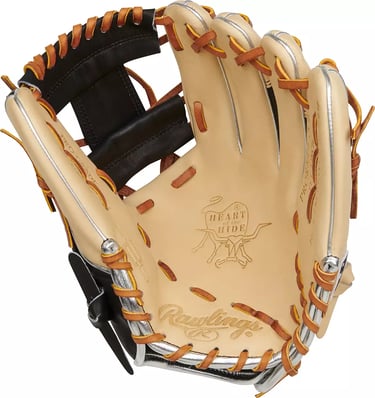
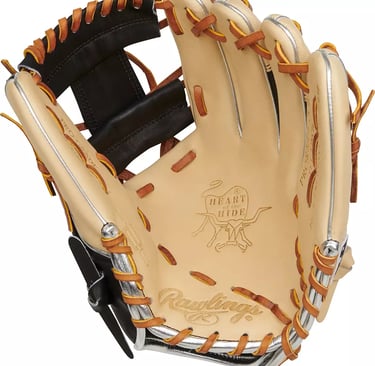
If I wasn’t using a Pro Preferred, I easily could’ve played with something like the Wilson A2000 or the Rawlings Heart of the Hide because both are outstanding gloves that many high-level players trust. For players looking for a more affordable option, the Marucci Acadia line is also worth considering and offers solid value for the price.
At the end of the day, choosing an infield glove comes down to comfort, confidence, and what fits your style defensively.
This guide breaks down the key features to look for, glove recommendations by position, and tips for keeping your glove game-ready all season long.
What Matters Most in an Infield Glove
As an infielder, your glove needs to do three things well: Secure the ball cleanly, speed up transfers, and hold its shape over time
For high school baseball, most infielders should look for gloves in the 11.25"–11.75" range with a shallower pocket and quality leather construction.
Quick hands matter in the infield, especially on double plays, slow rollers, and tough hops. A glove that’s too deep or floppy can slow everything down.
Pocket Depth
Pocket shape can make a huge difference in how an infield glove performs.
Personally, I always liked gloves that allowed for quick transfers and gave me a clean feel for the baseball. That’s why shallow-to-medium pockets tend to work best for most infielders.
Leather Quality and Construction
One thing I learned over the years is that leather quality matters.
Higher-end gloves like the Pro Preferred, A2000, and Heart of the Hide use premium leather that holds its shape much better over time. They usually require more break-in work initially, but once broken in properly, they feel incredible and can last for years.
That’s one reason I loved the Pro Preferred series is the leather stayed consistent, the pocket remained structured, and the glove continued improving the more I used it.
Cheaper gloves often break in faster, but they usually don’t maintain the same structure or durability over a full season of heavy use.
Choosing the Right Size
Infield glove sizing mostly depends on position and personal preference.
Typical sizing looks something like this:
11.25"–11.5" for middle infielders
11.5"–11.75" for third basemen
As a former infielder, I generally preferred gloves that felt compact and responsive rather than oversized. Smaller gloves usually make transfers faster and feel easier to control on quick plays.
At the same time, some players like a little extra reach, especially at third base. There’s no universal “perfect” size, it depends on what feels comfortable and natural in your hand.
Breaking In an Infield Glove
Breaking in a glove properly makes a huge difference.
One mistake I see a lot of younger players make is trying to rush the process with hot water, ovens, or excessive oil. In my experience, the best way to break in a glove is still the old-school method:
Play catch consistently
Use a glove mallet
Form the pocket naturally
Be patient
Good gloves get better over time if you break them in correctly.
With premium gloves like the Pro Preferred or A2000, the break-in process takes longer, but the payoff is worth it because the glove eventually molds perfectly to your hand.
Glove Care and Maintenance
Taking care of your glove matters just as much as choosing the right one.
A few simple habits go a long way:
Keep the glove clean
Condition the leather occasionally
Tighten or replace laces when needed
Store a ball in the pocket
Avoid leaving it in extreme heat or cold
Break in tools that keep your glove in good shape include: Glove mallet, Leather Conditioner or Glove Oil, Glove Wrap or Bands, and Laces. There are good tool kits that include many of these in one package.
I always tried to keep my glove in good condition because once a glove loses its shape, it’s hard to get that structure back.
Final Thoughts
There are a lot of great infield gloves available today, and the “best” one really depends on your position, budget, and personal preference.
As a former infielder, I personally trusted the Rawlings Pro Preferred Series because I loved the leather quality, feel, and long-term durability. But gloves like the Wilson A2000 and Rawlings Heart of the Hide are also elite-level options that many players swear by.
For players looking for something more affordable, the Marucci Acadia line gives solid performance without the premium price tag.
At the end of the day, the best glove is the one that feels comfortable, helps you play confidently, and becomes an extension of your hand every time you step onto the field.
Baseballer Gear
Honest baseball equipment reviews from a former college player. Helping parents and players make informed decisions about baseball gear.
Quick links
Contact
© 2026. All rights reserved.
Affiliate Disclosure: Baseballer Gear participates in affiliate programs. When you purchase through links on our site, we may earn a commission at no extra cost to you. This helps support our testing and content creation.